




 10:46 2026-03-03
Fasten your seat belts. Extreme landings await. These are airports built on mountain slopes, squeezed into busy streets, or swallowed by the tide. Gravity, geography, and common sense clash here. A landing looks more like a circus act under the dome of the world. Below, there are the most audacious runways, where there is no room for a go‑around, and one mistake becomes tonight's headline.
 541
541 8
8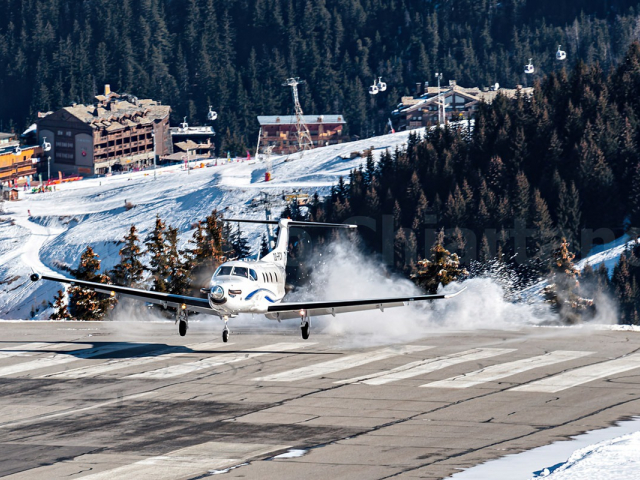
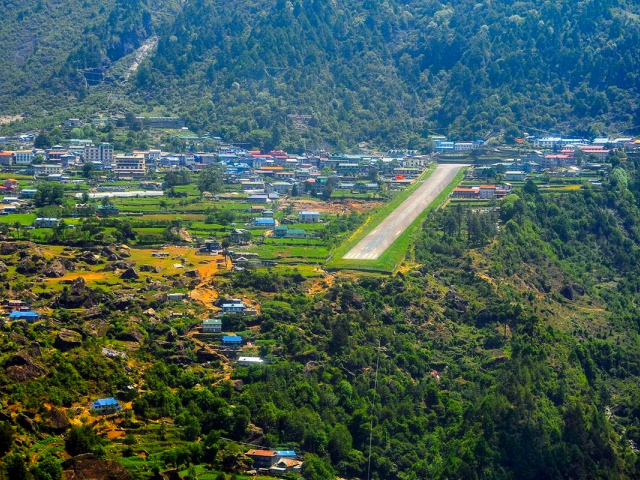
Tenzing‑Hillary Airport, Lukla (Nepal) — leap into Everest’s embrace
The runway at Tenzing‑Hillary is 527 meters of pure adrenaline, wedged between a sheer rock face and a 600‑meter abyss. The strip has a pronounced uphill slope that helps aircraft brake on landing but makes takeoff feel like jumping off a cliff. Pilots have no margin for error: once they commit to the approach, a go‑around is not possible — only a stone wall lies ahead. Locals call it the “gateway to the sky.” For many passengers, it feels like a threshold into another dimension, where Himalayan weather changes faster than a fearful pulse.
Courchevel Altiport (France) — ski jump for metal birds
Hidden in the folds of the French Alps, this 537‑meter runway reads more like a ski jump than a civil aviation facility. The gradient is an extreme 18.6%, turning the altiport into a venue for the chosen few. There are no instrument landing systems and no runway lights — only visual flight among snow‑capped peaks. The slope works as a natural brake but demands surgical precision from pilots. Here, an aircraft must behave like a mountain goat, clinging to the incline.
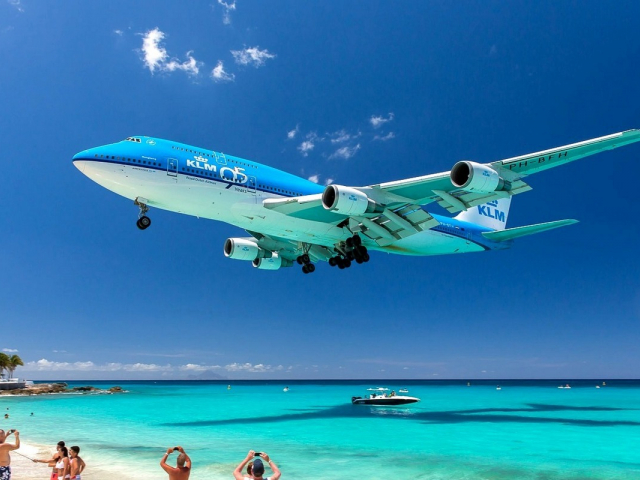
Princess Juliana International Airport, St. Maarten — date with beach
On St. Maarten, the boundary between leisure and aviation is literally erased. Runway 10 begins just across the road from public Maho Beach. Heavy airliners fly ten meters above sunbathers, blasting them with hot air and sand. It is the only tourist attraction where you can feel the raw power of jet engines while standing knee‑deep in turquoise water. The paradox is stark: a tropical paradise where the dominant sound is not surf but the deafening roar of aircraft cutting the sky above your lounger.
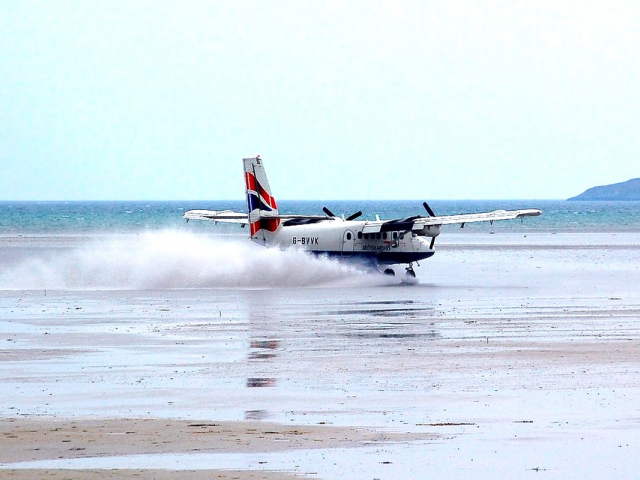
Barra Airport (Scotland) — from sky to sea
On the Outer Hebrides, the flight schedule is dictated by the moon. Barra is the only airport in the world where scheduled services land on a beach. At high tide, all three runways disappear beneath Atlantic water. Pilots must wait for low tide to land a Twin Otter on wet sand, navigating by wooden posts. Landing gear raises fountains of salt spray instead of smoke from rubber. This is a return to aviation’s roots, where technology still humbly bends to the ocean’s ancient rhythms.
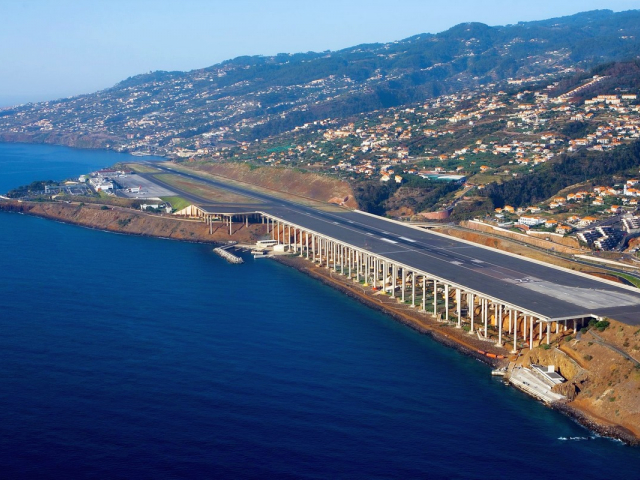
Madeira Airport (Portugal) — concrete viaduct above void
The island of eternal spring presents pilots with a timeless challenge. The original short runway was so dangerous that engineers extended it over the ocean on a giant platform supported by 180 concrete pillars. Beneath the landing gear lies a 100‑meter void and roaring waves. A Madeira approach is a fierce battle with capricious Atlantic winds that try to throw the aircraft off this “bridge” into the water. Pilots aim initially at the mountain and then bank onto the runway at a 45‑degree angle.
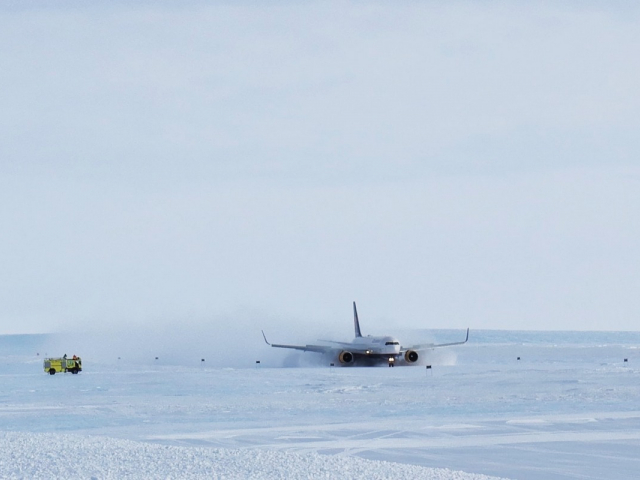
Blue‑ice runway (Antarctica) — kiss with sleeping giant
There is no asphalt here, only a monolithic blue ice sheet meters thick. This seasonal runway appears at the start of the polar summer and is a ghost of the season. The main danger is not slipping but the massive weight of aircraft: planes risk punching through if the ice warms. A landing feels like touching down on a giant shard of fragile crystal amid endless white silence. It is the coldest welcome on Earth, where landing gear meets frozen ocean, and the cockpit view is an ice‑planet landscape.
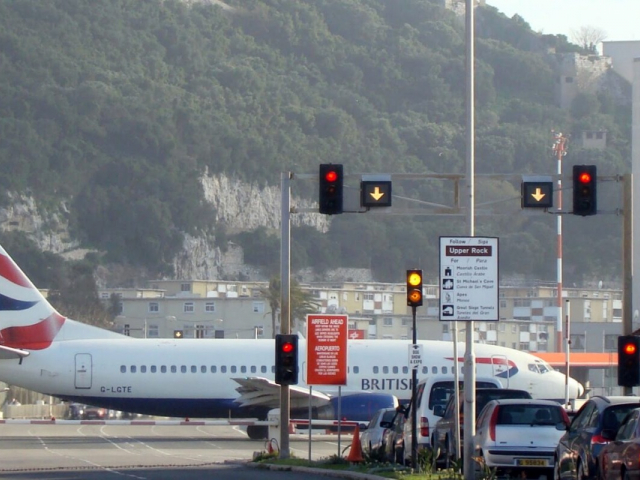
Gibraltar Airport —crossing of sky and city
This is the only airport in the world that literally cuts a main urban artery, Winston Churchill Avenue. When an aircraft is taking off or landing, striped barriers block the runway, as at a railway crossing. You can sit in traffic at a red light and watch a multi‑ton Airbus pass ten meters in front of your hood. The narrow peninsula forces people and aircraft to share a single route, creating a surreal urban landscape where turbine noise merges with the city’s rhythm.
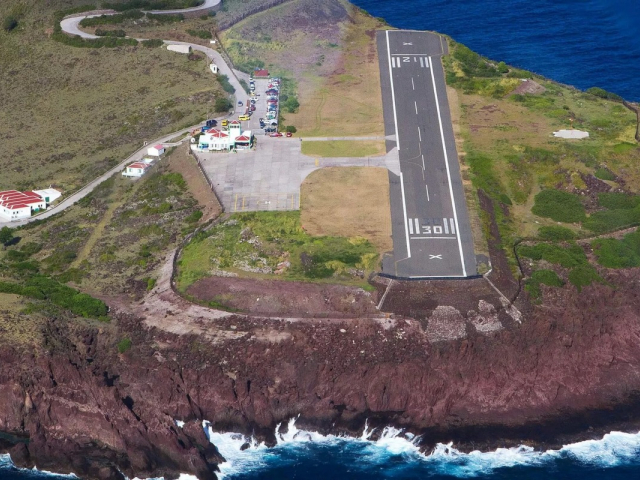
Saba (Caribbean Netherlands) — postage stamp on rock
Juancho E. Irausquin has the shortest commercial runway in the world at just 400 meters. It is a paradox carved in stone — the strip ends at sheer cliffs dropping into the Caribbean Sea at both ends. Landing here resembles touching down on an aircraft carrier that forgot to put to sea. Pilots of small propeller aircraft have only a moment to stop before concrete ends and a free fall begins. Every meter of the runway is priceless, and brakes operate constantly at the limit.


-
Grand Choice
Contest by
InstaForexInstaForex always strives to help you
fulfill your biggest dreams.JOIN CONTEST -
Chancy DepositDeposit your account with $3,000 and get $1000 more!
In April we raffle $1000 within the Chancy Deposit campaign!
Get a chance to win by depositing $3,000 to a trading account. Having fulfilled this condition, you become a campaign participant.JOIN CONTEST -
Trade Wise, Win DeviceTop up your account with at least $500, sign up for the contest, and get a chance to win mobile devices.JOIN CONTEST


